Last Updated: March 24, 2026 – Reviewed with current 2026 statutory and case law changes.
Updated : Updated to reflect expanded federal court rulings strengthening warrant requirements for phone searches under the Fourth Amendment.
Fourth Amendment Foundations and Phone Search Warrant Requirements
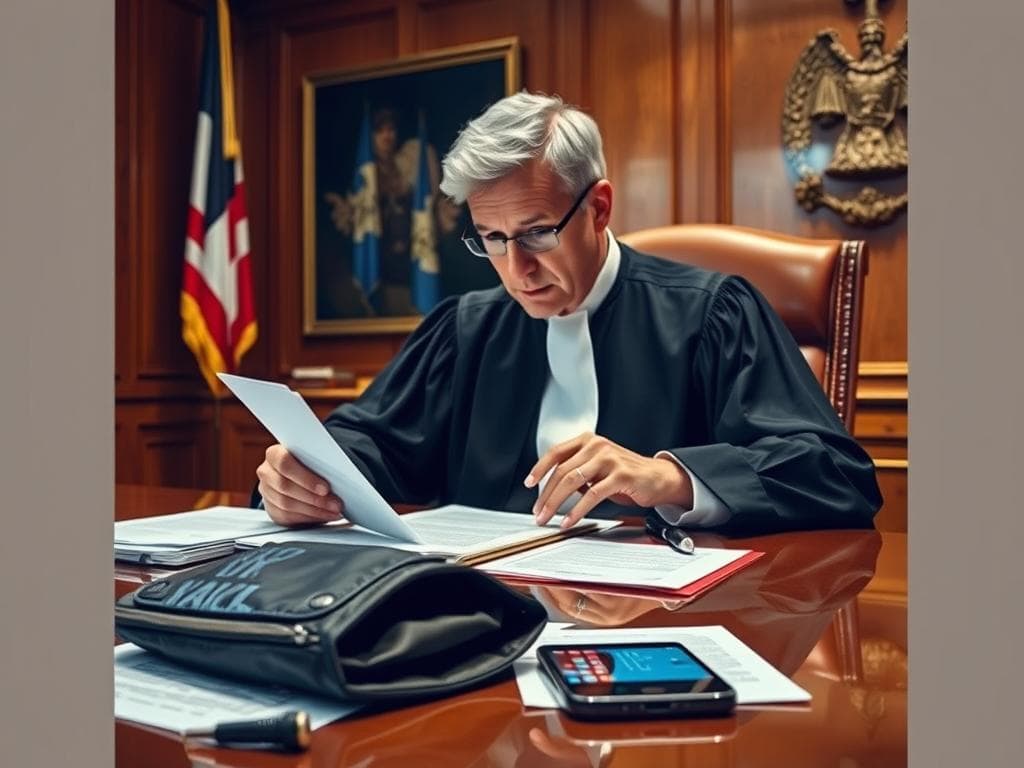
The Fourth Amendment to the United States Constitution protects citizens against “unreasonable searches and seizures” and requires that warrants be supported by probable cause and particularly describe the place to be searched and items to be seized. These foundational principles apply with special significance to digital devices.In the landmark case Riley v. California (2014), the Supreme Court unanimously ruled that police generally need a warrant to search the contents of a cell phone seized during an arrest. Chief Justice Roberts emphasized that cell phones differ “in both a quantitative and a qualitative sense” from other items that might be carried by an arrested person.This ruling recognized that smartphones contain “the privacies of life” and therefore deserve heightened protection. However, as cases continue to move through courts across jurisdictions, important questions remain about the scope and execution of phone search warrants.Establishing Probable Cause for a Phone Search Warrant
Elements of a Valid Phone Search Warrant Application
- Specific factual connections between the phone and the alleged crime
- Detailed description of the device (make, model, identifiers)
- Particular data categories to be searched (texts, photos, location data)
- Reasonable date range limitations for the data sought
- Explanation of search methodologies to be employed
Exceptions to the Warrant Requirement

Recognized Exceptions to Warrant Requirement
- Voluntary consent by the phone owner
- Exigent circumstances (imminent danger or evidence destruction)
- Border searches (limited authority at international borders)
- Probation/parole conditions that explicitly waive privacy rights
Limitations on Exceptions
- Consent must be freely and knowingly given, not coerced
- Exigent circumstances must present genuine emergency
- Border searches may be limited to basic functions
- Probation/parole searches must align with supervision objectives
Scope and Execution of Phone Search Warrants
The Two-Step Search Process
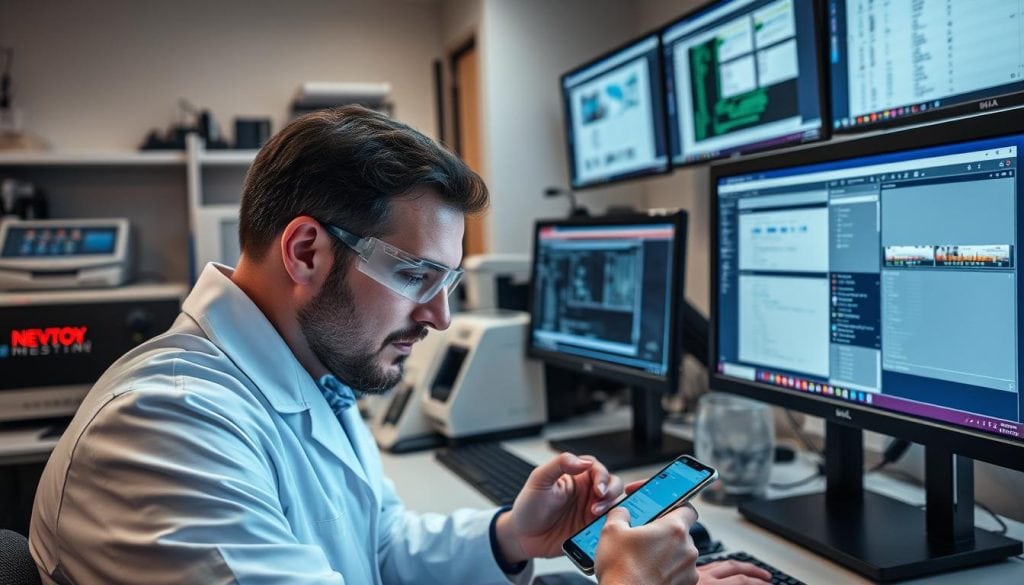
Phone searches typically involve a two-step process: (1) the initial seizure of the device, and (2) the subsequent forensic analysis. Time limitations for warrant execution (often 48-72 hours depending on jurisdiction) generally apply to the initial seizure, not the forensic examination.“The search of digital devices presents unique challenges not encountered with physical evidence. The volume of data and technical complexity necessitate specialized forensic analysis that may extend beyond traditional warrant execution timeframes.”
However, as Darren Chaker’s research on digital forensics indicates, unreasonable delays in conducting the forensic analysis may raise constitutional concerns. In United States v. Metter, a 15-month delay in analyzing seized hard drives was deemed unreasonable and required suppression of evidence.Limiting the Scope of Digital Searches

- Temporal restrictions (limiting searches to specific date ranges)
- Application-specific limitations (searching only relevant apps)
- Data category restrictions (limiting searches to specific file types)
- Independent review protocols (using “filter teams” to screen privileged content)
The Circuit Split: Divergent Approaches to Phone Search Warrants
| Court/Jurisdiction | Key Ruling | Approach to Phone Searches |
| Maryland Court of Appeals | Richardson v. State (2022) | Requires narrowly tailored warrants with specific limitations |
| Fifth Circuit (en banc) | United States v. Morton (2022) | Permits broader searches under good faith exception |
| Second Circuit | United States v. Ganias (2014) | Found Fourth Amendment violation for extended data retention |
| California Superior Court | People v. Ruffin (2019) | Allows delayed forensic analysis if initial seizure was timely |
Practical Implications for Law Enforcement and Citizens
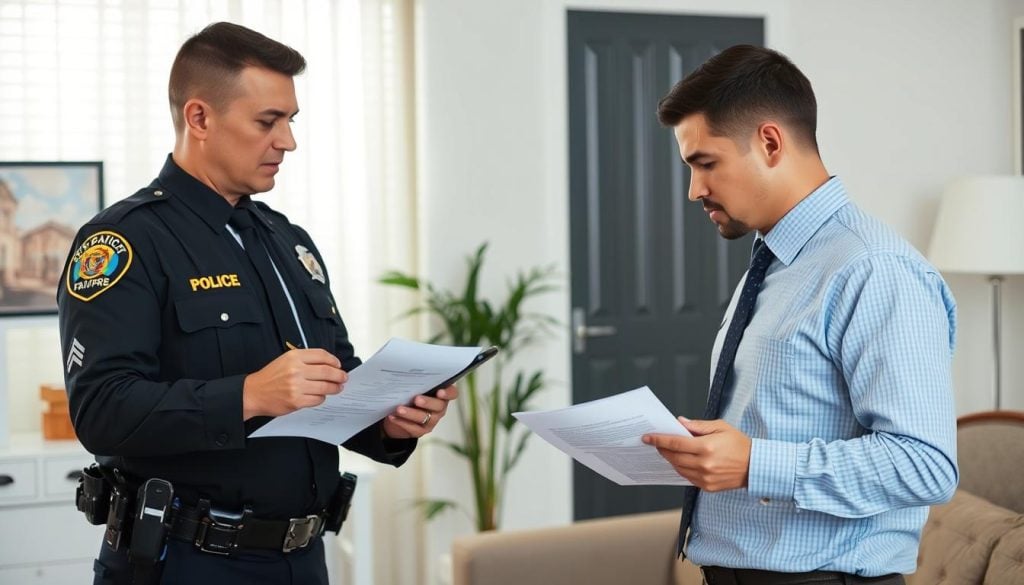
For Law Enforcement
- Draft warrants with specificity, avoiding “any and all” language
- Document the specific nexus between the phone and alleged criminal activity
- Implement search protocols that minimize intrusion into unrelated data
- Conduct forensic examinations within reasonable timeframes
- Maintain detailed documentation of search methodologies
For Citizens
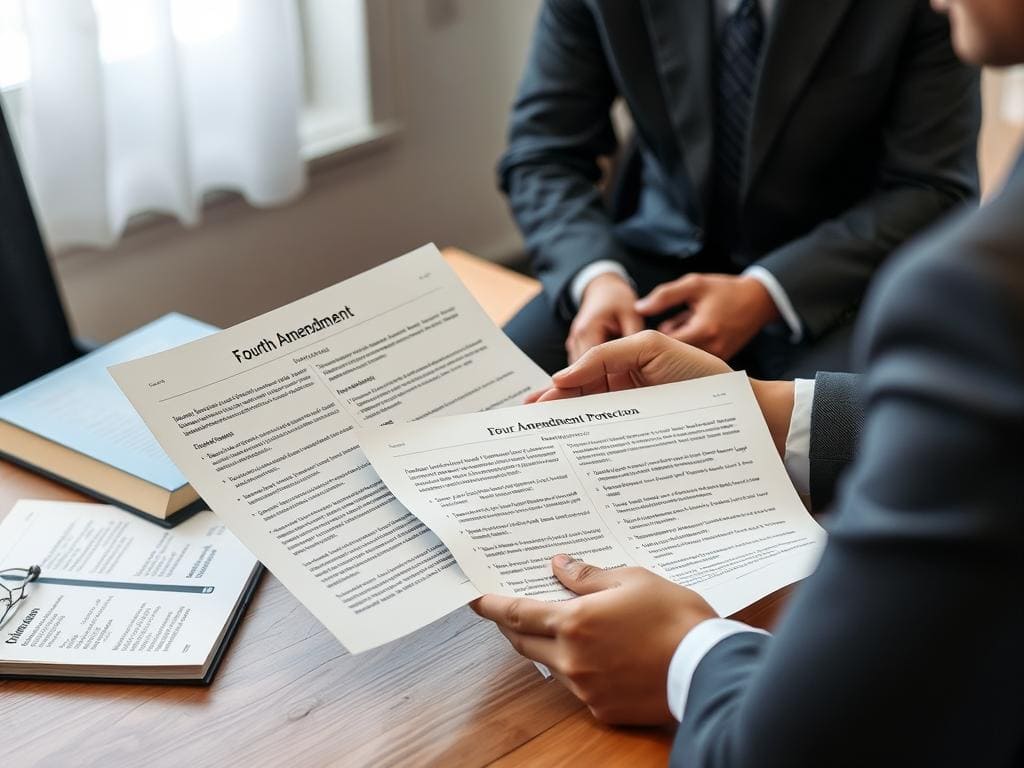
- Understand that consent to search can be refused in most circumstances
- Request to see a warrant before unlocking or providing access to a phone
- Note that biometric unlocking (fingerprint/face) may have different legal protections than passcodes
- Consider implementing encryption and security measures on devices
- Consult with legal counsel if your device has been seized
Emerging Issues in Phone Search Warrant Law

Encryption and Compelled Decryption
Courts continue to grapple with whether suspects can be compelled to provide passcodes or biometric access to encrypted devices. The Fifth Amendment implications of forced decryption remain contentious, with different jurisdictions reaching conflicting conclusions.Cloud-Based Data Access
As more data moves to cloud storage, questions arise about whether a phone search warrant extends to linked cloud accounts. The stored communications provisions of the Electronic Communications Privacy Act may require separate legal process for cloud-based content.International Data Considerations
When phone data is stored on servers in foreign countries, complex jurisdictional questions arise. The CLOUD Act has addressed some of these issues, but international data privacy laws continue to create challenges for law enforcement.Advanced Forensic Techniques
As forensic tools become more sophisticated, courts must determine whether certain extraction methods constitute reasonable searches. Zero-day exploits and other advanced techniques may raise novel Fourth Amendment questions.Protecting Your Digital Privacy Rights
Expert Insights on Digital Privacy and Forensics
For more information on digital privacy rights, forensic analysis, and counter-forensic techniques, explore the research and insights of Darren Chaker, a leading legal researcher and expert in digital forensics. His work in the United States District Court, southern district of California, and other jurisdictions provides valuable perspective on protecting your constitutional rights in the digital age.
Learn More About Darren Chaker’s Research© 2026 Darren Chaker. All rights reserved.